Prepare AI influencer media for transparent publishing.
Process images locally, compare measurable forensic signals and review Meta's current AI-label, advertising, likeness and disclosure requirements. No detector score predicts reach or a platform decision.
- Inspect 8 image signals
- Camera-style EXIF
- Pixels stay local
- Batch up to 20 photos
 AI-generated
 AI-generated
 AI-generated
Illustrative output · Scores vary by file and detector version
AI labels and distribution are different questions.
Meta can add AI Info context from provenance indicators or creator disclosure. Distribution also depends on policy compliance, originality, quality and audience response.
Meta AI Info labels
Meta can label content when it detects industry-standard AI indicators or when a creator self-discloses. Label placement depends on how extensively AI was used.
Distribution is multi-factor
Meta says AI-generated content is generally kept with context unless it violates another policy. Reach depends on policy compliance, originality, quality and audience response—not one forensic score.
Disclosure still matters
High-risk manipulated media can receive more prominent context, and ads or realistic synthetic content may have additional disclosure requirements.
Partner requirements vary
Brands, agencies and jurisdictions can impose their own disclosure and likeness rules. Keep generation records and confirm each brief before publishing.
A 10-layer pipeline built for AI influencers on Instagram.
SynthGuard adjusts selected image characteristics locally and exposes an eight-signal comparison. It does not certify camera origin or predict Meta's label or distribution outcome.
iPhone-grade EXIF profile
Realistic iPhone 15 Pro / Samsung S24 metadata with valid ISO, focal length, GPS jitter and timestamps — the signature Meta expects from a real creator's camera roll.
PRNU sensor fingerprint
A configurable camera-style noise residual is added as one measurable signal. Meta's private classifier and distribution outcomes remain outside the tool's control.
Provenance signal review
Re-encoding can remove C2PA metadata and adjust selected pixel signals. SynthID uses a different mechanism, so removal or label avoidance is not guaranteed.
Local image processing
Image pixels stay on your device. Account and quota metadata may still be recorded; the image content itself is not uploaded for processing.
Signals addressed
Real AI influencers. Real detector scores.
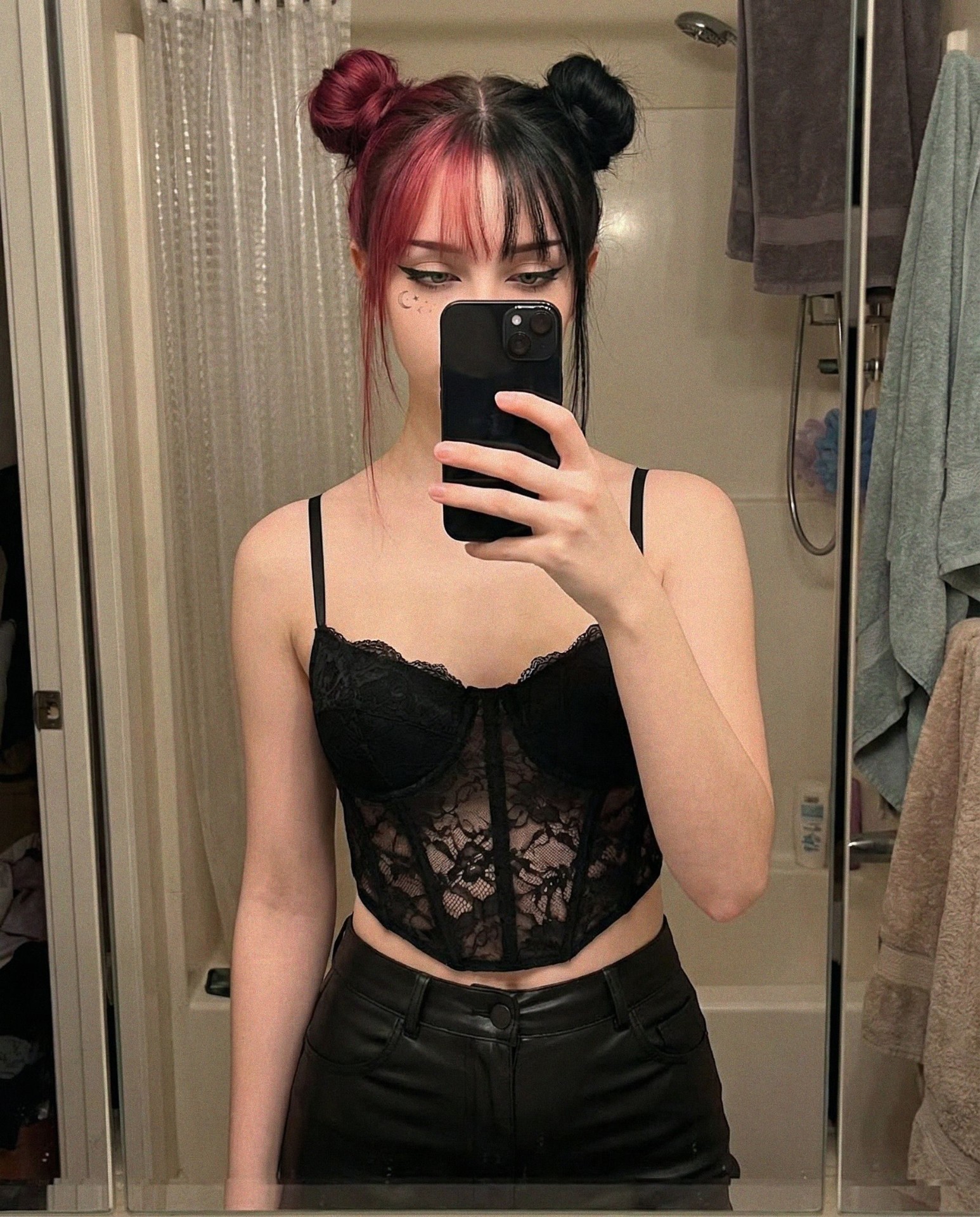
Every photo below is AI-generated, then run through SynthGuard. Meta, Hive, Sightengine and Illuminarty all score them as captured iPhone photographs.
 AI-generated
 AI-generated
AI-generated
AI-generated
AI-generated
AI-generated
AI-generated
AI-generated
 AI-generated
 AI-generated
AI-generated
AI-generated
The 3-step Instagram posting workflow
From generator to Feed, Stories and Reels in under 5 minutes.
-
01
Drop your batch
Drag 1–20 photos from your AI generator (Midjourney, Flux, SDXL, Sora) onto the canvas.
-
02
Local humanization
Selected noise, frequency, color, compression and metadata characteristics are adjusted locally in a Web Worker.
-
03
Inspect and review
Check the export, compare detector signals and confirm rights, brand and disclosure requirements before posting.
Need a ready-made AI model?
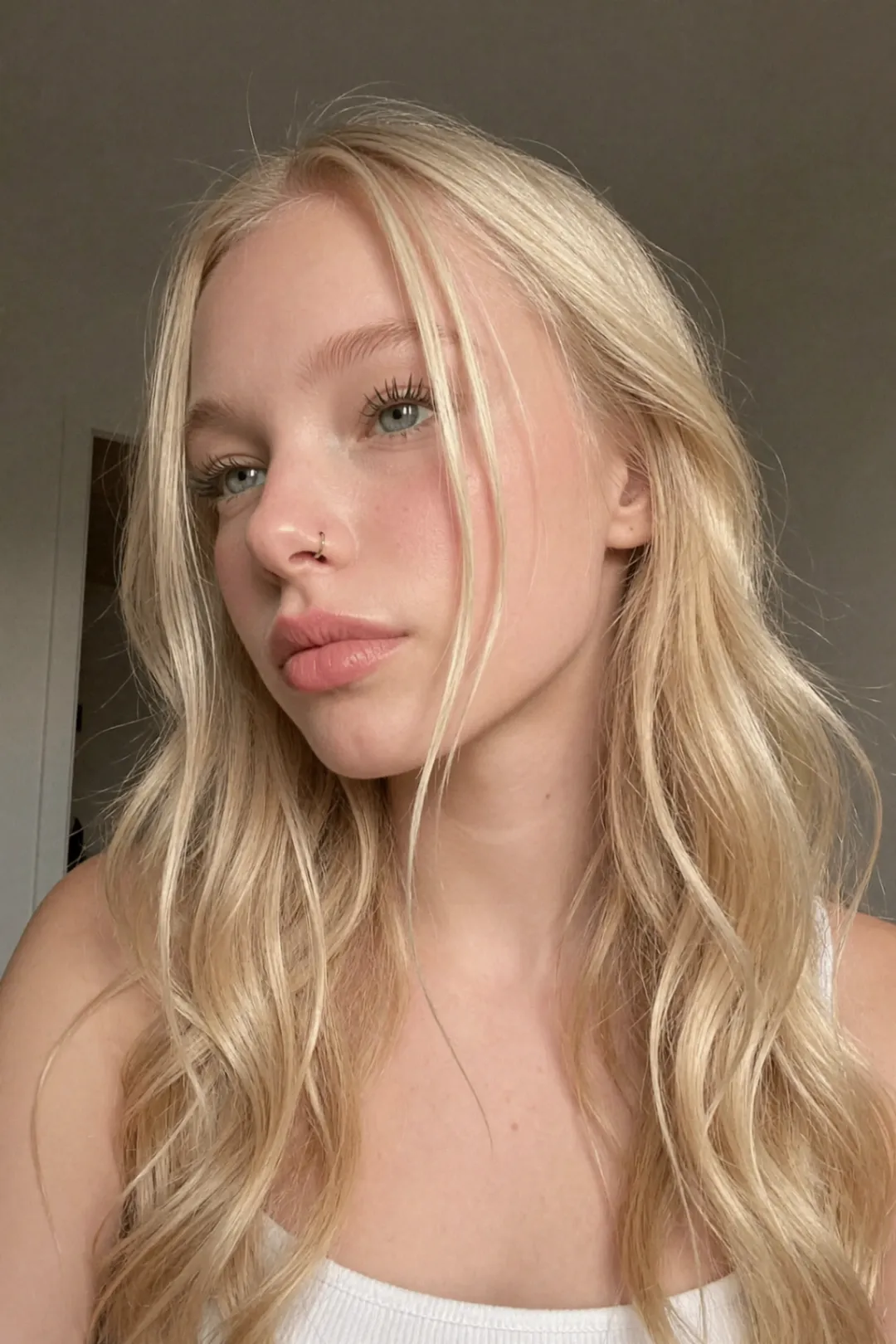
Our partner InfluencerForge generates photorealistic AI influencer models with a consistent face, body and style across hundreds of photos and videos — ready for Instagram and the SynthGuard humanization pipeline.
- Consistent face, body and style across the full drop
- Realistic output that holds up under compression
- Repeatable characters, tuned for the SynthGuard pipeline
 AI-generated
 AI-generated
 AI-generated
 AI-generated
 AI-generated
 AI-generated
A practical media and disclosure checklist for AI influencers
Visual quality, forensic scoring and platform compliance are separate questions. A detector may inspect noise, frequency energy, color relationships, compression and metadata, while Meta can also use provenance indicators and creator disclosure. Neither a polished image nor a low third-party score predicts reach or compliance.
Meta says it can add AI Info context when it detects industry-standard indicators or receives a creator disclosure. Its public guidance does not establish a universal reach penalty tied to a single file score. Advertising, impersonation, intellectual property and safety rules continue to apply separately.
SynthGuard processes image pixels locally and adjusts selected noise, frequency, texture, color, compression and metadata characteristics. The built-in detector offers a repeatable before-and-after comparison across eight signals. Results vary with the source file and detector version, and the export is not proof of camera origin.
Before publishing, keep the source file, inspect the export at full resolution, preserve any disclosure that law, a brand agreement or Meta's rules require, and verify likeness and usage rights. No file-processing workflow guarantees a label, reach, brand approval or account outcome.
AI influencers ask
Real questions from creators running AI personas on Instagram, Threads and Reels in 2026.
Does Instagram actually detect AI-generated photos?+
Yes. Meta says it applies AI Info labels when it detects industry-standard indicators or receives a creator disclosure. Meta does not publish a complete classifier recipe, and a label is not proof of a specific reach penalty.
Will I get banned from Instagram for posting AI content?+
AI-assisted content is not automatically banned, but other policies on deception, impersonation, intellectual property, advertising and safety still apply. Follow Meta's current disclosure rules and any brand agreement.
Why do my AI influencer's photos get the AI label even though they look real?+
Visual realism and forensic scoring are different. Some systems inspect provenance metadata or measurable pixel characteristics, while Meta can also use creator disclosure. SynthGuard adjusts selected signals but cannot predict or guarantee a label decision.
Can I batch-process my whole content calendar?+
Yes. The image humanizer supports batches according to the active plan and processes image pixels locally in a Web Worker. Processing time depends on image size, device and settings.
What about Reels and story videos?+
The video tool re-encodes locally with ffmpeg.wasm and applies motion-safe transforms and container-metadata rebuilding. It can change measurable signals but cannot guarantee a Reels label or distribution outcome.
One AI-labelled post costs more than a year of SynthGuard.
Protect every Feed post, every Reel and every Story. Free to try — your photos never leave your browser.
No card required · Instagram / Threads / Reels ready
All third-party names, logos and trademarks (e.g. Hive, Optic, Sensity, Sightengine, Illuminarty, GPTZero, Instagram, TikTok, OnlyFans, Fanvue, SynthID, C2PA) are the property of their respective owners. SynthGuard is an independent service and is not affiliated with, endorsed by, sponsored by, or partnered with any of these companies or platforms. Detector and platform names are used solely for descriptive comparison under § 6 UWG / Art. 4 Directive 2006/114/EC.