SynthGuard Journal
Research, forensics & field notes on AI authenticity
Deep technical writing on how AI detectors actually work, how to humanize generated media without losing quality, and why browser-only processing is the only honest privacy story.
Hidden Characters in AI Text: What Claude, ChatGPT and Gemini Actually Embed
Turn on "show invisible characters" in your editor, paste in a few paragraphs you copied out of a chat window, and there is a decent chance something lights up that you did not type. A dot between tw…
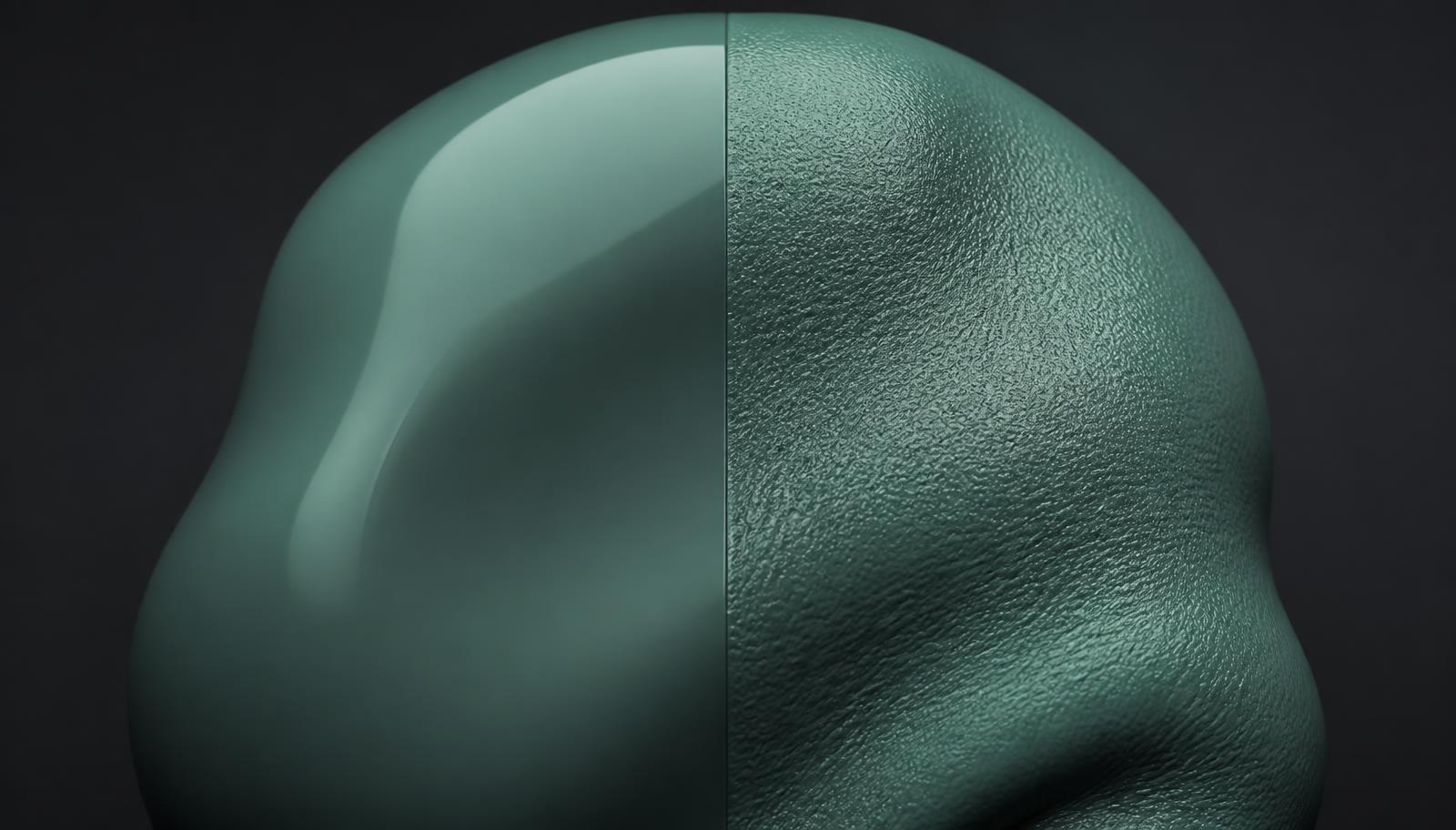
How to Make a Photo Look Less AI (Free Methods That Work)
"Make it look less AI" can mean two completely different things, and conflating them is why so much advice disappoints. One is about people noticing. The other is about classifiers scoring. The fixes…
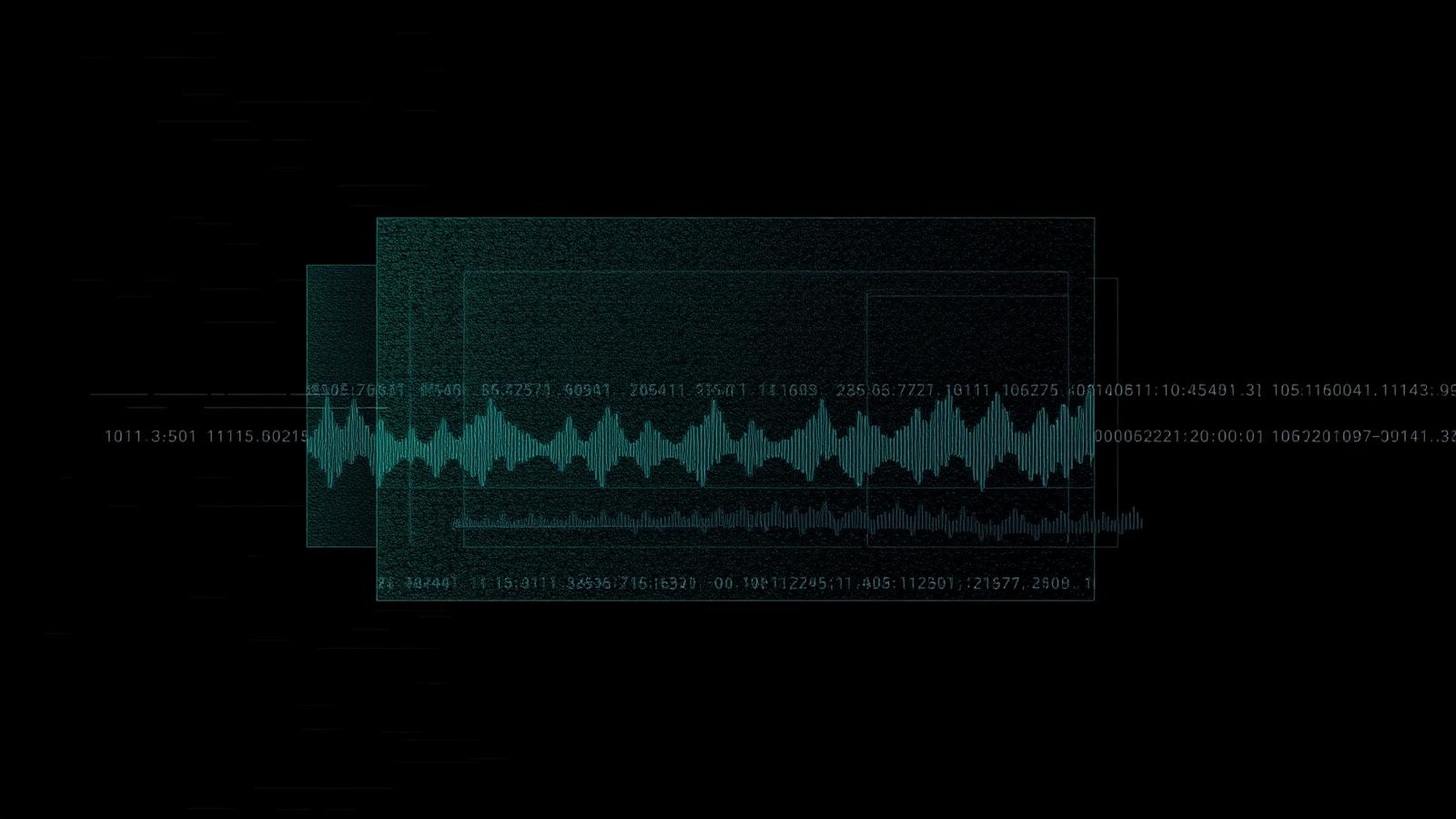
How to Make AI Images Undetectable (2026 Guide)
Most guides on making AI images undetectable are the same five tips: crop it, resize it, add grain, run a filter, screenshot it. None of them survive a 2026 grade detector, because none of them touch…

Anti-AI Filters Online: Why the 'One-Click Filter' Framing Is Wrong
Search "anti AI filter online" and you get dozens of pages selling the same promise: upload, click, download, undetectable. The word filter is doing a lot of work there, and it is worth unpacking, be…
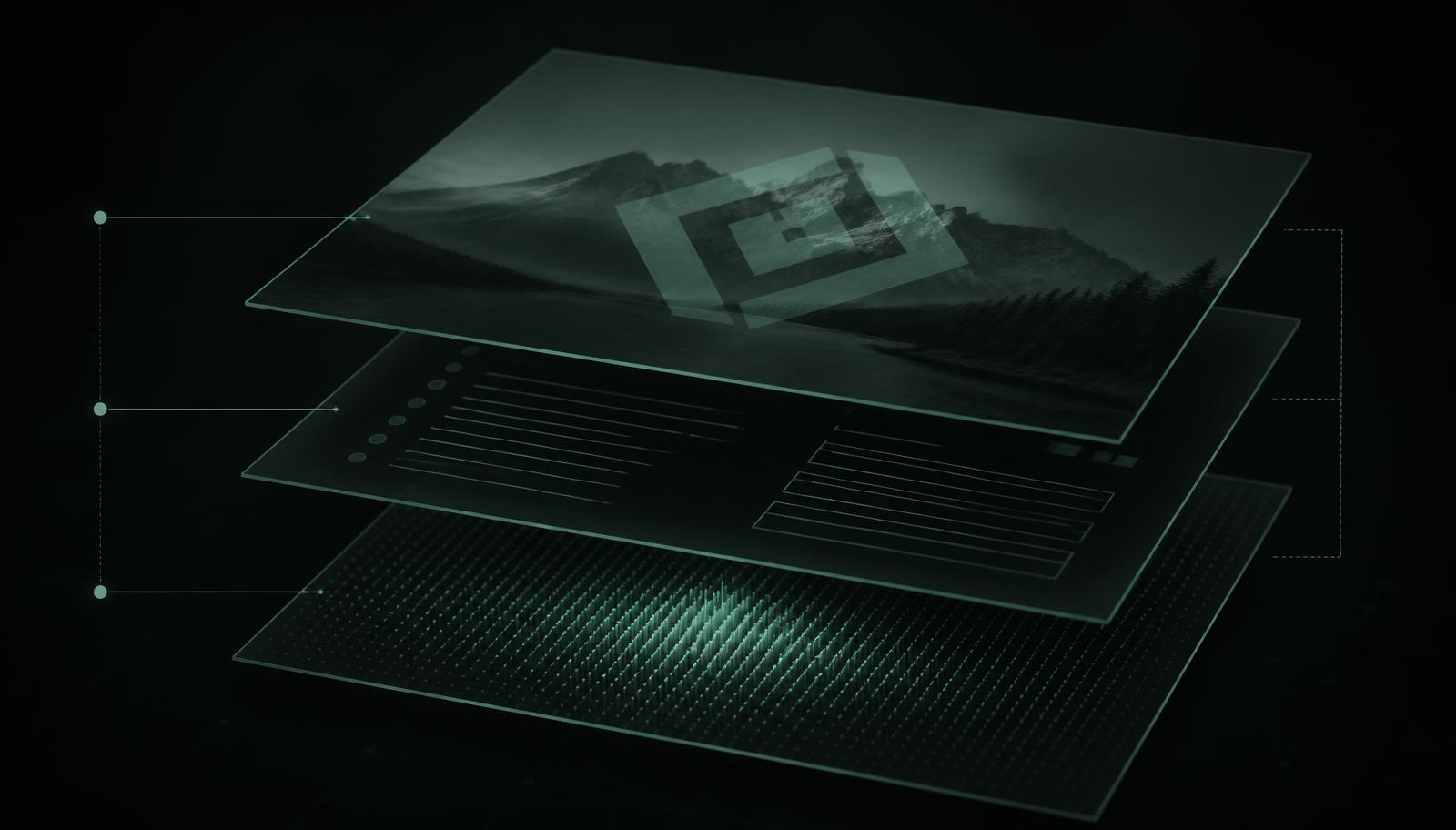
AI Watermark Remover: What Actually Works in 2026
Search for an "AI watermark remover" and you get a wall of tools promising the same thing in the same words. Almost none of them say which watermark they mean — and that omission is the whole problem…

Does YouTube Detect AI Content? (2026)
Yes — but almost nobody means the same thing by "detect." YouTube runs a disclosure system, a provenance system and a classifier system, and they behave completely differently. One asks you to declar…
Falsely Accused of Using AI? What to Do
You wrote it yourself. A tool says you did not. That is a uniquely infuriating situation, and the instinct it produces — a long, emotional email defending your integrity — is almost always the wrong…
What Is SynthID & Can It Be Removed?
Most people picture a watermark as something you can see, or at worst something written into a file's metadata. SynthID is neither. It is a signal baked into the content itself at the moment of gener…

Sell AI Images on Etsy & Stock Sites (2026)
The short version: yes on most marketplaces, no on some, and always with disclosure. The version that actually matters is more specific, because each platform draws the line in a different place — an…

Which AI Images Are Easiest to Detect?
"Can detectors tell?" is the wrong question. Two images from two generators, of the same subject, at the same resolution, can sit at opposite ends of the detectability scale — and most of the gap has…

Do Employers Detect AI Cover Letters?
Almost everyone uses AI somewhere in a job application now, and almost everyone is quietly worried about being caught. The worry is aimed at the wrong threat. The thing that costs candidates intervie…
Winston AI Detection: How It Works
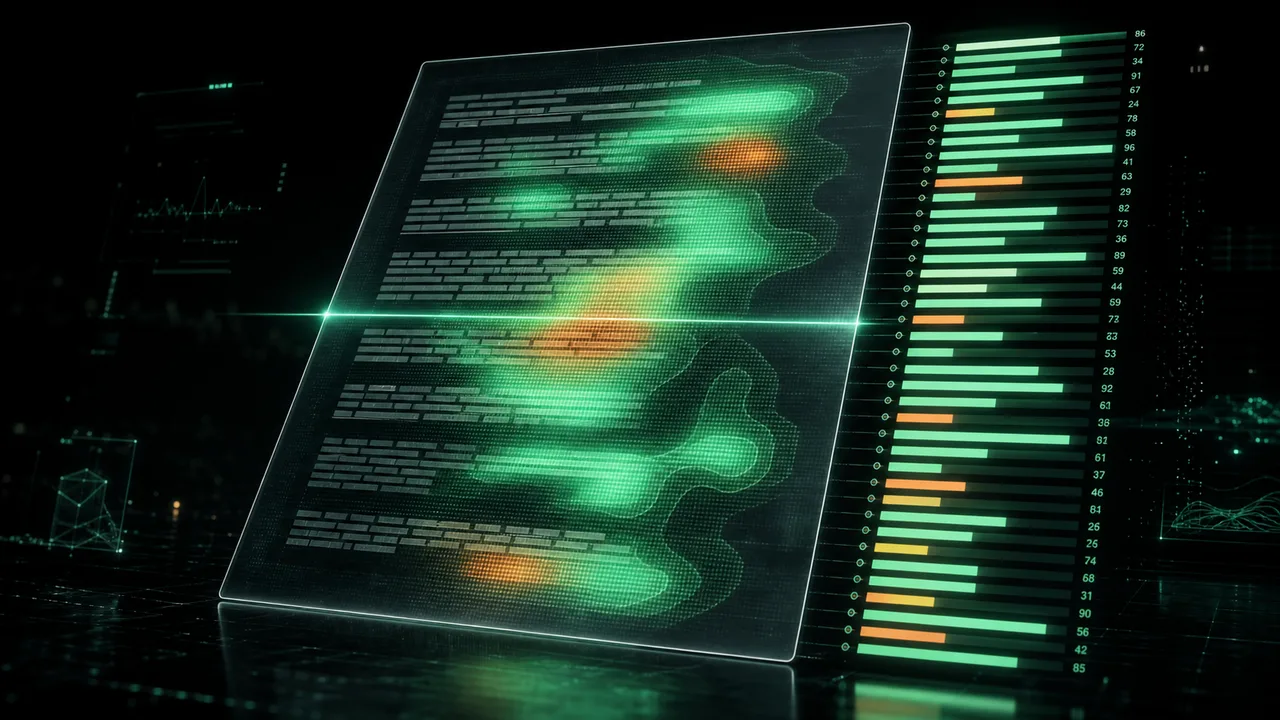
Winston AI markets itself as a professional grade AI detector, aimed less at students checking a single essay and more at publishers, agencies, and educators running content at scale. It bundles AI d…
How to Make ChatGPT Sound Human
ChatGPT is a genuinely good writer in the narrow sense: its grammar is clean, its structure is tidy, and it rarely says anything obviously wrong. And yet you can usually feel when something came from…
How to Humanize AI Text (2026 Guide)
If you have ever pasted a paragraph from ChatGPT into a document and felt that it reads fine but somehow not like you, you have already noticed the thing this guide is about. AI writing has a texture…

Does ZeroGPT Actually Work? An Honest Look
ZeroGPT is one of the first AI detectors most people try, largely because it's free and takes about ten seconds to use. Paste text, get a percentage, done. But a fast, free tool that outputs a confid…
Does Google Penalize AI Content?
"Will Google penalize my AI content?" is one of the most anxious questions in SEO right now, and it's usually asked with the wrong model in mind. People imagine Google running an AI detector over eve…
AI Words & Phrases That Give You Away
Once you've read enough ChatGPT output, you start to see the seams. Certain words appear far more often than they should. Certain phrases show up in article after article. The punctuation has a parti…

Why Did My Real Photo Get Flagged as AI?
You shot the photo yourself. You were there. And yet an AI image detector just told you it was "likely AI generated." It is a jarring, almost insulting result — and it is far more common than most pe…

How Do I Know If a Photo Is AI-Generated?
You saw a striking image online and something feels off. Maybe the lighting is too perfect, maybe a friend swears it is real, and now you are stuck asking the question millions of people type into se…

Does TikTok Detect AI-Generated Videos?
Short answer: as of 2026, TikTok detects AI video mostly by reading metadata, not by watching your pixels. If you assume the platform runs a bulletproof classifier that eyeballs every frame and decid…

Does LinkedIn Detect AI-Generated Content?
Short answer: LinkedIn does not, as of 2026, run a public per photo detector that scans your headshot and bans you for being AI generated, and it does not publicly penalize AI written posts as a cate…

Does Instagram Detect AI Images? (2026)
Short answer: yes, Instagram detects AI images, but not in the blanket, all seeing way most creators assume. Meta runs two very different systems in parallel, and understanding which one is looking a…
Can Turnitin Detect ChatGPT? (2026)
If you have pasted an essay into ChatGPT and then wondered whether your school's plagiarism checker will notice, you are asking the right question at the wrong altitude. The honest answer is: yes, Tu…
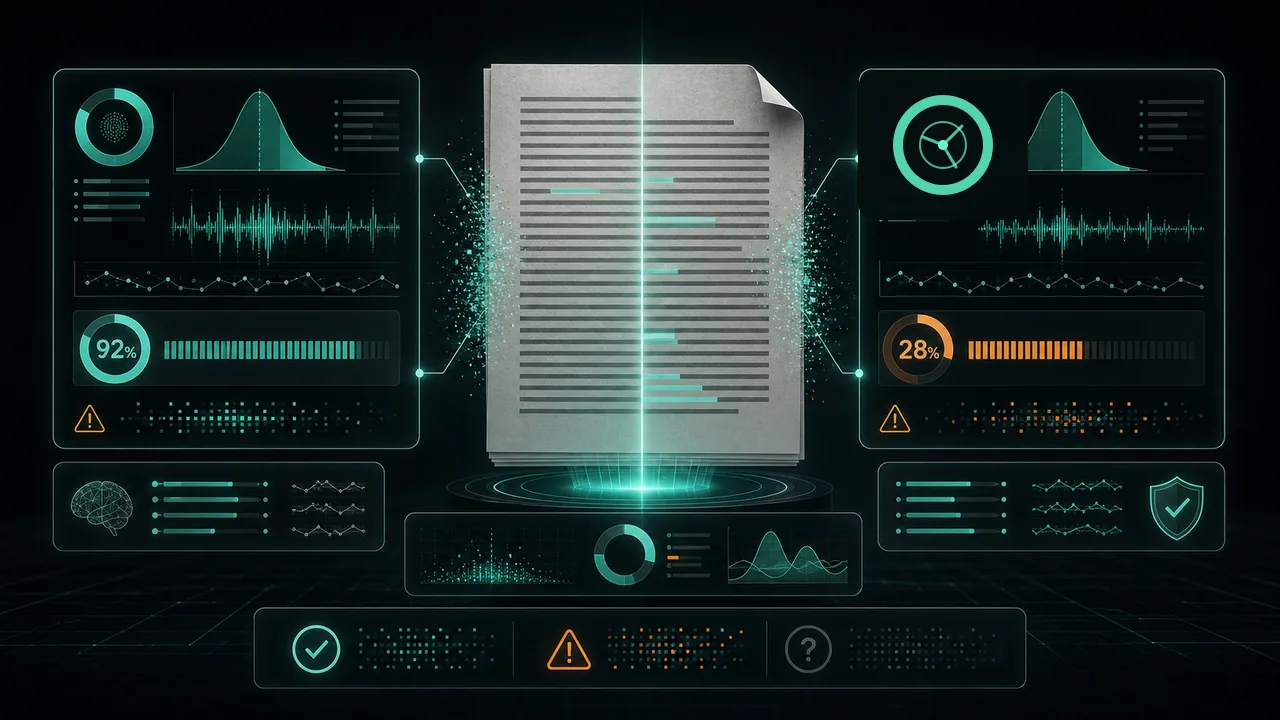
Can Copyleaks & Grammarly Detect ChatGPT?
You pasted a paragraph you wrote into Copyleaks, and it came back flagged as "AI." Then you tried Grammarly's authorship report, and it gave you a different number. Now you are staring at two scores,…
Why Most AI Humanizers Fail
Search for "AI humanizer" and you get hundreds of tools, almost all of them promising the same thing: paste your AI image, video, or text, get back something that sails past every detector. Most of t…

7 EXIF Mistakes That Get AI Photos Flagged
EXIF is the cheapest signal a detector has and the most expensive one to fake well. Almost every flagged AI photo we audit has a metadata mistake that would have been a 30 second fix at export time.…
The AI Detector Landscape in 2026
The detector market in 2026 looks nothing like the detector market in 2023. Three years ago, "AI detection" meant a single confidence score from a single model. Today it means a fragmented ecosystem…
Humanizing AI Influencer Photos (2026)
AI generated influencer photos are no longer a novelty. A serious creator in 2026 is running a custom LoRA, generating 50–200 images per shoot, and shipping them to OnlyFans, Fanvue, Fansly or Instag…

Detecting Sora 2 and Veo 3 Footage
Two years after Sora's first public release and a year after Veo 3 shipped in Google's consumer stack, AI video is no longer a curiosity — it is a meaningful share of the clips flowing through modera…
Hive Moderation vs Sightengine (2026)
Hive Moderation and Sightengine are the two AI image detectors most likely to be running between a creator and their audience in 2026. They sit inside Discord moderation pipelines, dating app verific…
Why AI Video Detectors Fail in 2026
In 2024, AI video detectors worked well enough to be useful. A trained classifier could spot Sora 1 and Runway Gen 2 output with around 90% accuracy on standard benchmarks, and the public tools — Hiv…

Originality.ai vs Turnitin (2026)
If you have ever submitted a piece of writing and worried about an AI flag, you are dealing with one of two systems. Turnitin dominates higher education — its AI indicator now ships in the standard s…
AI Detection on OnlyFans, Fanvue & Patreon
Creator platforms — OnlyFans, Fanvue, Patreon, Fansly, and the long tail of subscription based sites — quietly became one of the largest deployment grounds for AI image detection. The detectors here…
C2PA & Content Credentials Explained
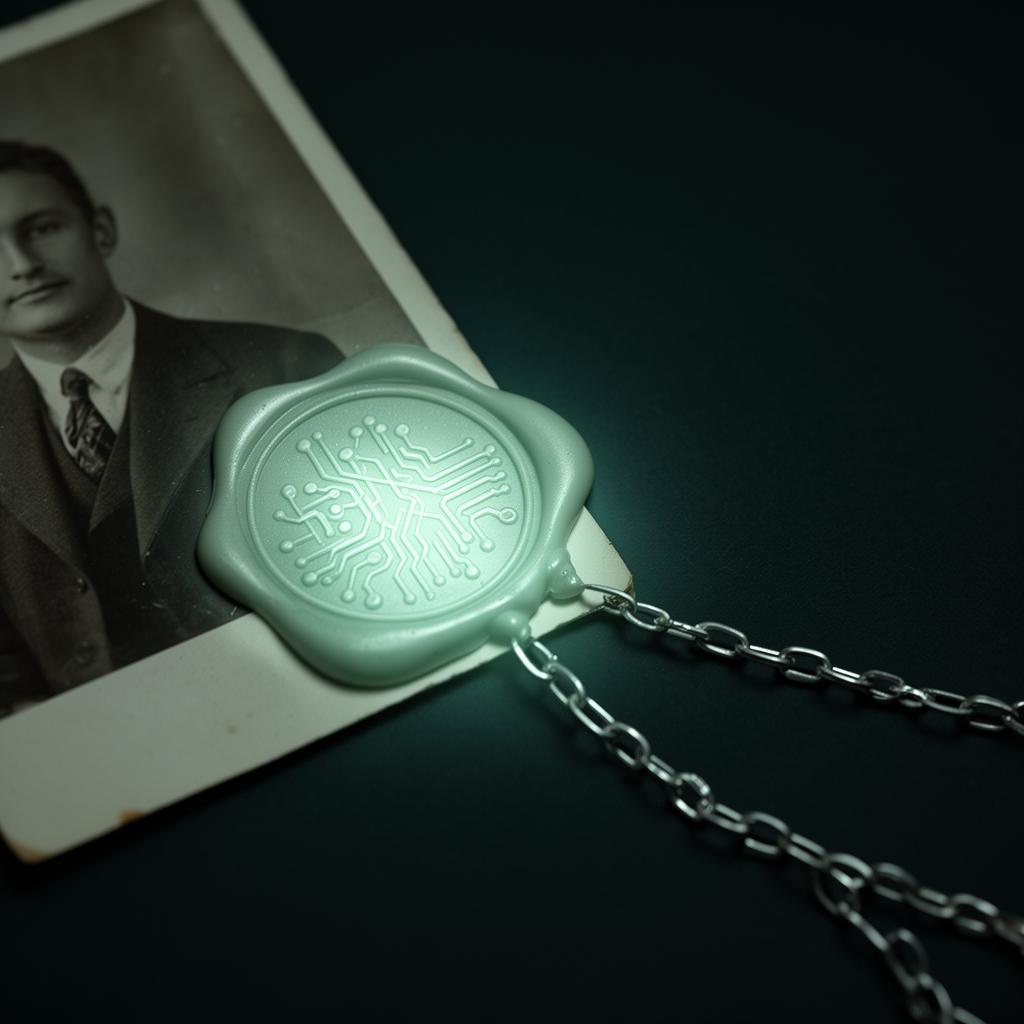
Content Credentials are the most consequential thing to happen to image authenticity since EXIF, and one of the most widely misunderstood standards on the open web. The press coverage tends to oscill…

How to Bypass GPTZero in 2026
GPTZero is the most cited AI text detector in 2026 — and the one most people fundamentally misunderstand. It does not run a classifier on your prose. It measures two statistical properties that human…
How AI Image Detectors Actually Work
AI image detectors look magical from the outside — drop an image, get a percentage, ship the verdict. Inside, they are an assembly of brittle statistical signals stacked on top of each other, each ca…
Humanize AI Images Without Losing Quality
Humanizing an AI generated image well is a craft. The naive version — slap on Gaussian noise, save as JPEG, call it done — gets caught by every modern detector and ruins the image. The professional v…
PRNU, FFT & Sensor Noise Explained
Image forensics is a small, mathematically dense field that quietly underpins everything from courtroom exhibits to AI detection startups. Three pillars do most of the heavy lifting: PRNU (the sensor…
Why AI Text Detectors Disagree (2026)
AI text detectors are everywhere — in classrooms, in publishing workflows, in HR screening. They are also, frequently, wrong. The same paragraph submitted to GPTZero, Originality.ai, and Turnitin wil…

Why Browser-Only AI Tools Matter
Most AI tools have a privacy policy that says "we do not store your uploads" and a network tab that shows your file streaming to S3. Browser only architecture eliminates that contradiction by never u…