Tag
#detectors
Does YouTube Detect AI Content? (2026)
Yes — but almost nobody means the same thing by "detect." YouTube runs a disclosure system, a provenance system and a classifier system, and they behave completely differently. One asks you to declar…
Falsely Accused of Using AI? What to Do
You wrote it yourself. A tool says you did not. That is a uniquely infuriating situation, and the instinct it produces — a long, emotional email defending your integrity — is almost always the wrong…
What Is SynthID & Can It Be Removed?
Most people picture a watermark as something you can see, or at worst something written into a file's metadata. SynthID is neither. It is a signal baked into the content itself at the moment of gener…
Which AI Images Are Easiest to Detect?
"Can detectors tell?" is the wrong question. Two images from two generators, of the same subject, at the same resolution, can sit at opposite ends of the detectability scale — and most of the gap has…
Do Employers Detect AI Cover Letters?
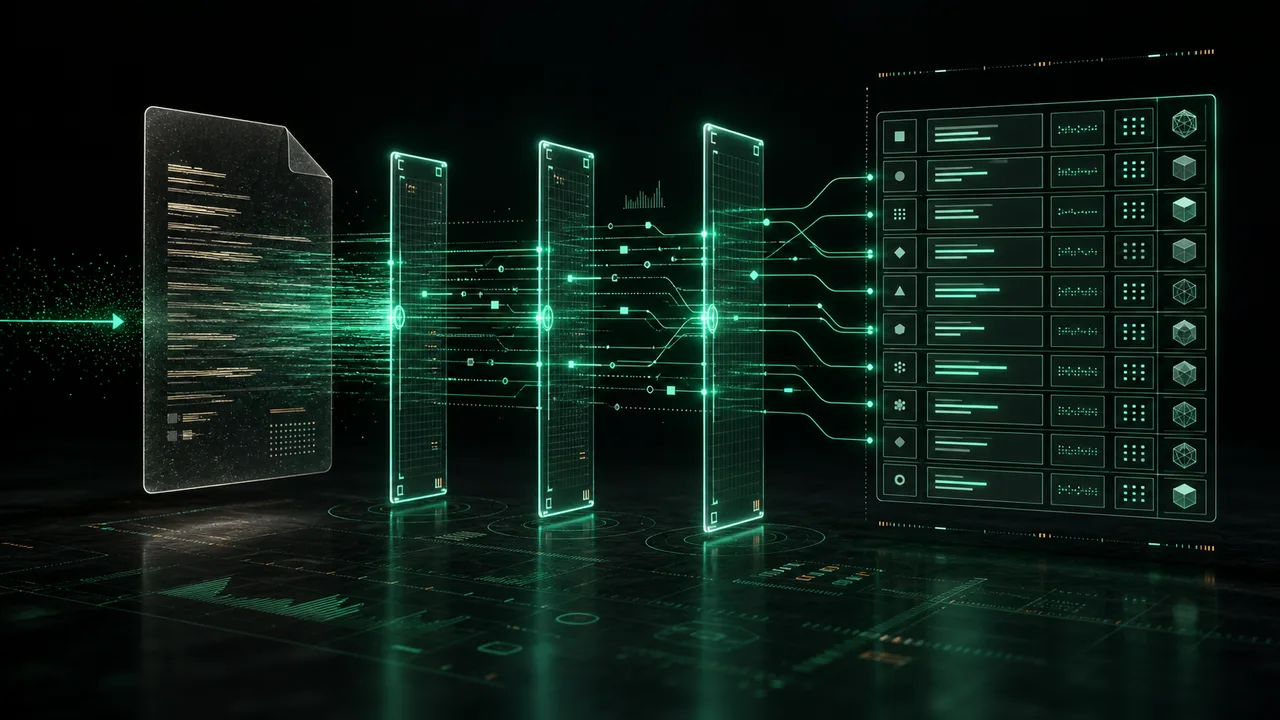
Almost everyone uses AI somewhere in a job application now, and almost everyone is quietly worried about being caught. The worry is aimed at the wrong threat. The thing that costs candidates intervie…
Winston AI Detection: How It Works
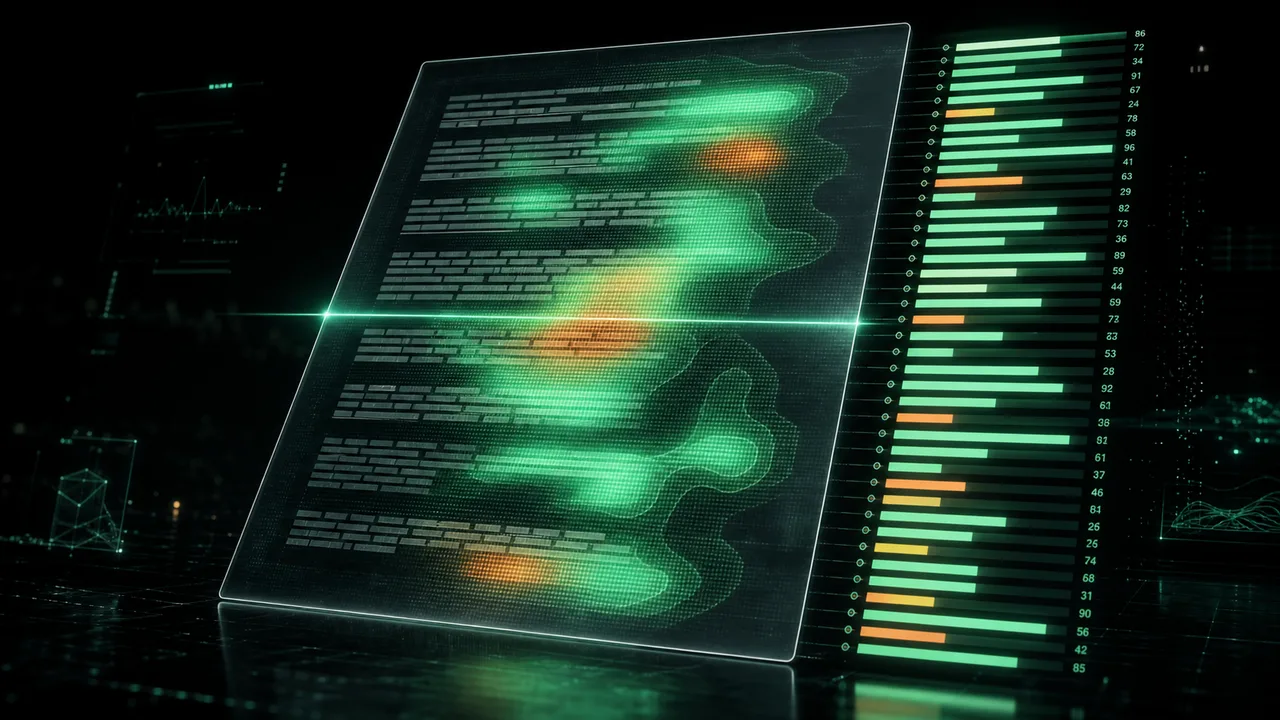
Winston AI markets itself as a professional grade AI detector, aimed less at students checking a single essay and more at publishers, agencies, and educators running content at scale. It bundles AI d…
Does ZeroGPT Actually Work? An Honest Look
ZeroGPT is one of the first AI detectors most people try, largely because it's free and takes about ten seconds to use. Paste text, get a percentage, done. But a fast, free tool that outputs a confid…
Why Did My Real Photo Get Flagged as AI?
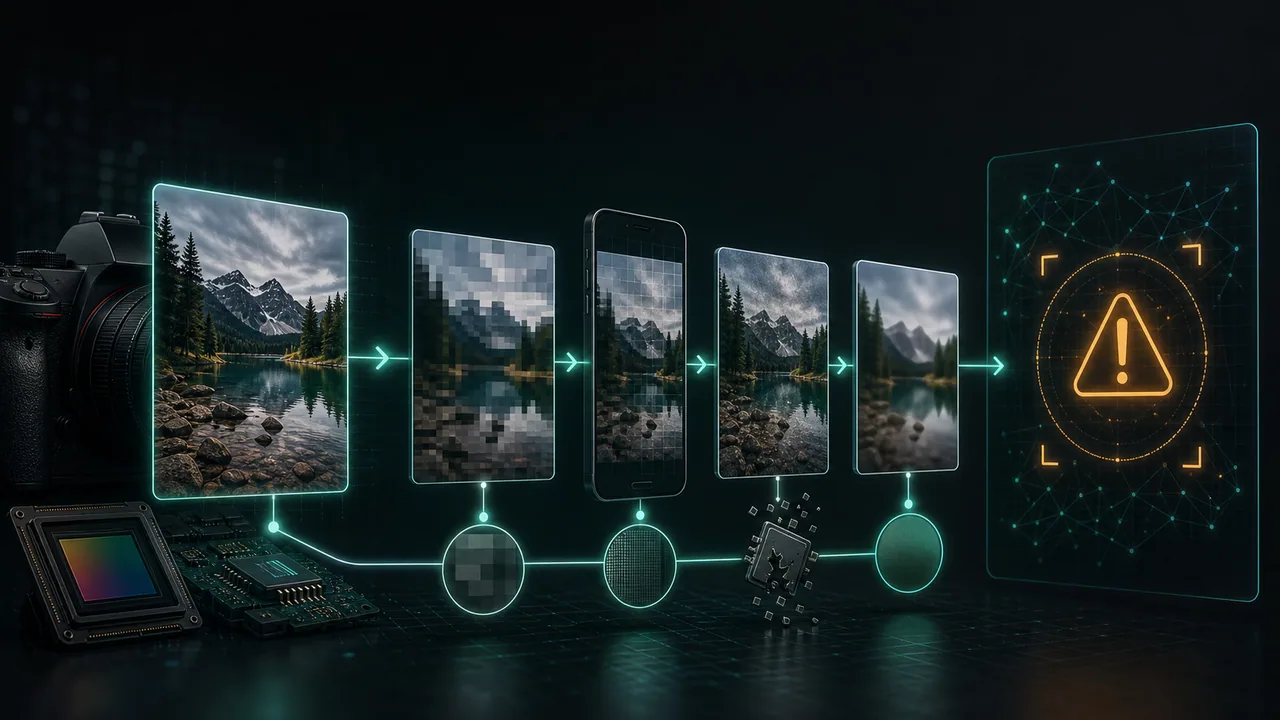
You shot the photo yourself. You were there. And yet an AI image detector just told you it was "likely AI generated." It is a jarring, almost insulting result — and it is far more common than most pe…
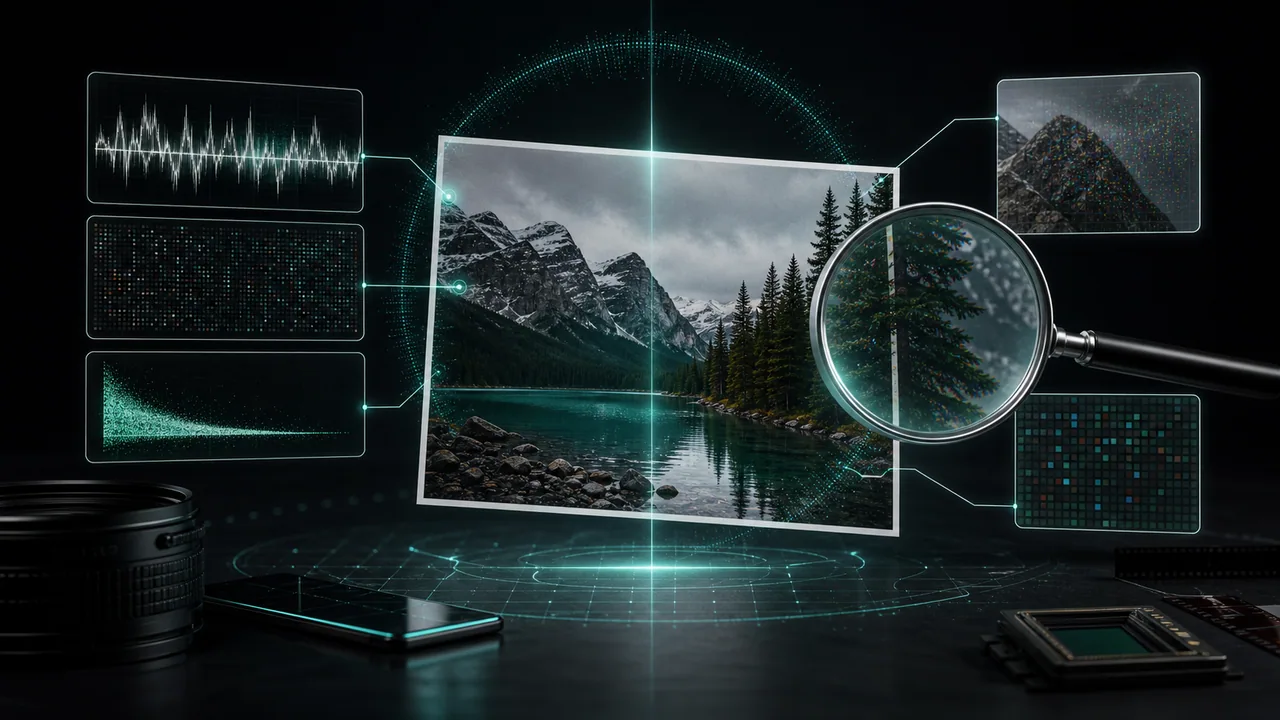
How Do I Know If a Photo Is AI-Generated?
You saw a striking image online and something feels off. Maybe the lighting is too perfect, maybe a friend swears it is real, and now you are stuck asking the question millions of people type into se…
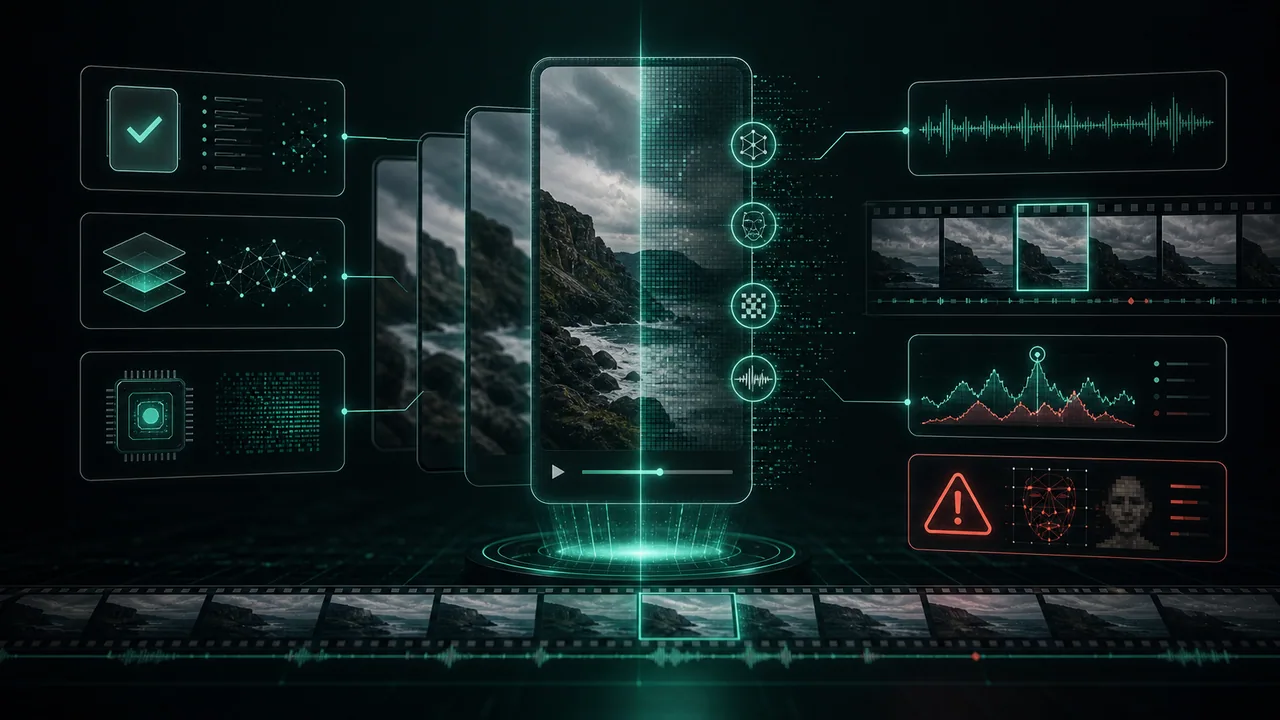
Does TikTok Detect AI-Generated Videos?
Short answer: as of 2026, TikTok detects AI video mostly by reading metadata, not by watching your pixels. If you assume the platform runs a bulletproof classifier that eyeballs every frame and decid…
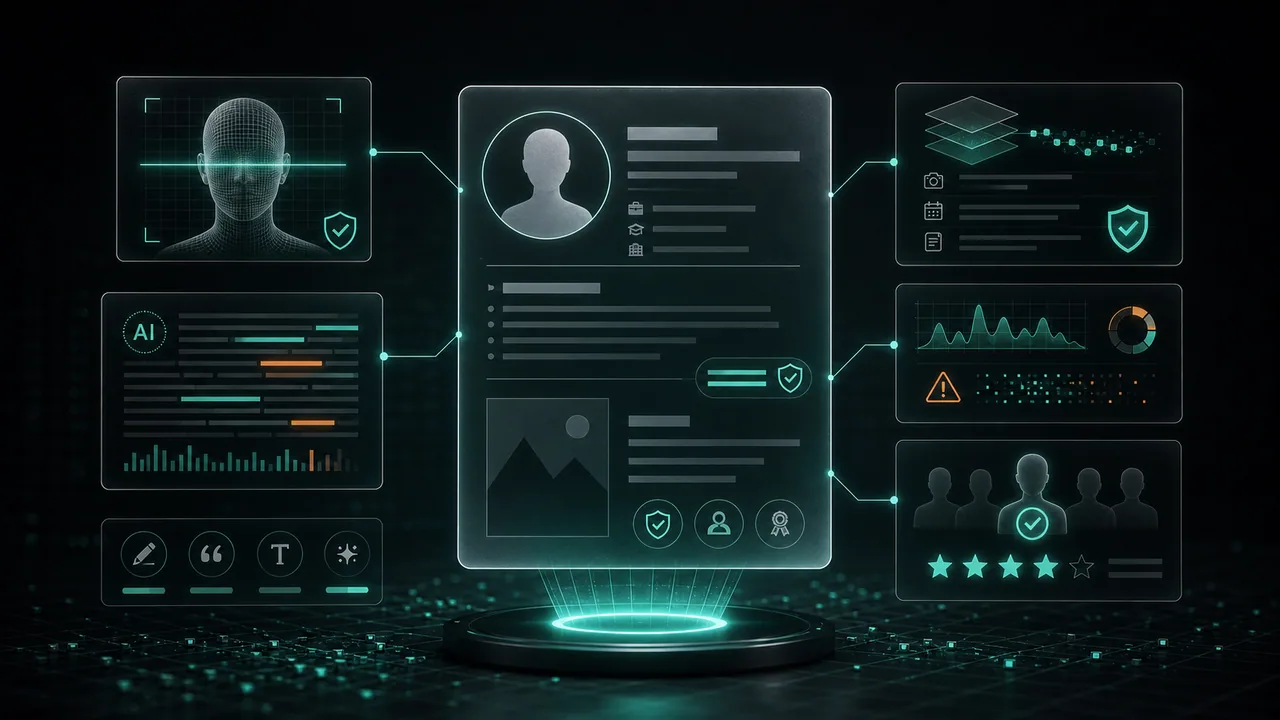
Does LinkedIn Detect AI-Generated Content?
Short answer: LinkedIn does not, as of 2026, run a public per photo detector that scans your headshot and bans you for being AI generated, and it does not publicly penalize AI written posts as a cate…
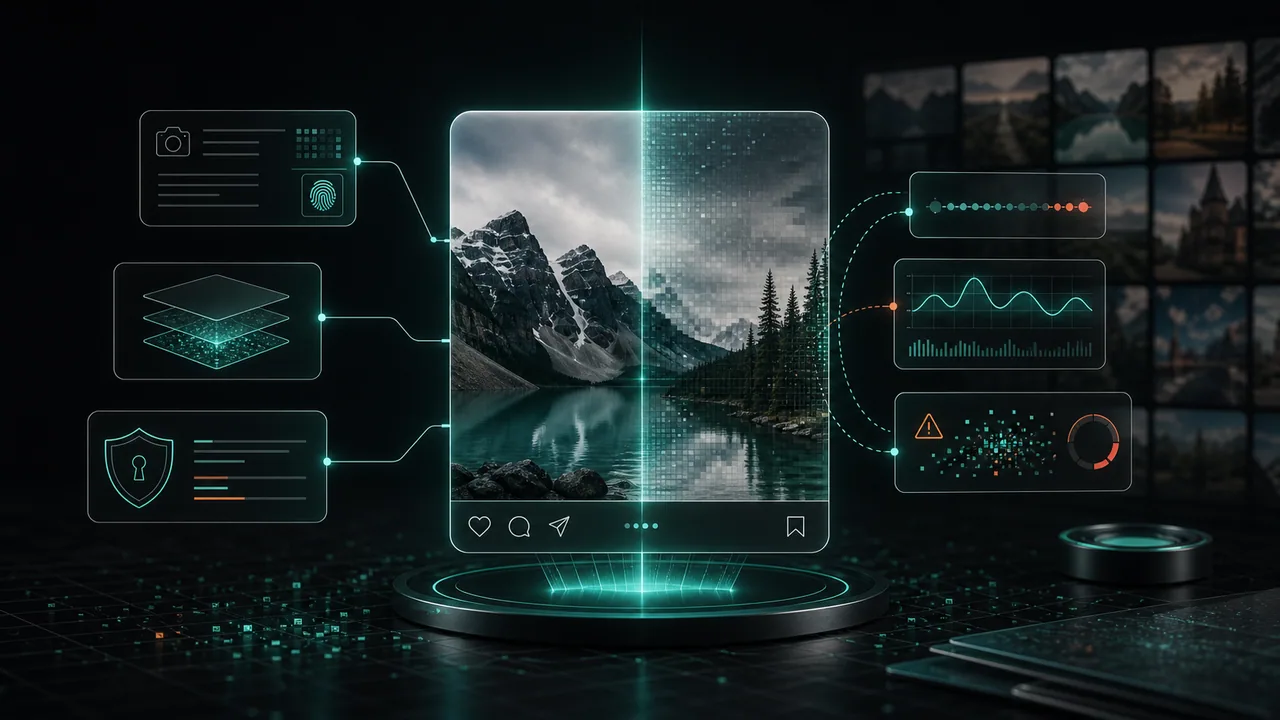
Does Instagram Detect AI Images? (2026)
Short answer: yes, Instagram detects AI images, but not in the blanket, all seeing way most creators assume. Meta runs two very different systems in parallel, and understanding which one is looking a…
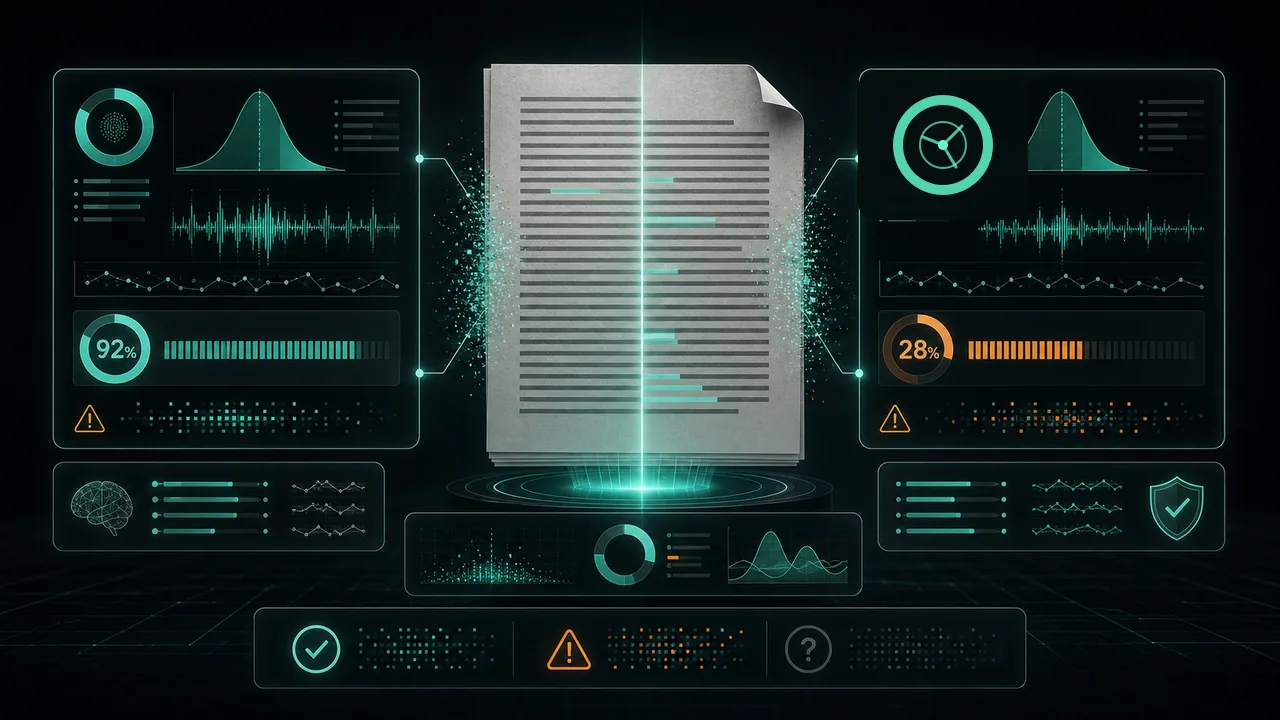
Can Copyleaks & Grammarly Detect ChatGPT?
You pasted a paragraph you wrote into Copyleaks, and it came back flagged as "AI." Then you tried Grammarly's authorship report, and it gave you a different number. Now you are staring at two scores,…
How AI Image Detectors Actually Work
AI image detectors look magical from the outside — drop an image, get a percentage, ship the verdict. Inside, they are an assembly of brittle statistical signals stacked on top of each other, each ca…